

What to Do When the Media Shows Up on Your Lawn
In our last newsletter, we detailed why it is essential for Canadian Christians to be prepared to defend their convictions in the public square when called upon (1 Peter 3:15). Our communications must be calibrated for a post-Christian audience, and this can seem stressful for Christians who are not used to defending their beliefs to hostile interlocutors, especially in a context where legal action or the threat of legal action is looming.
To be prepared means that we should take measures beforehand rather than wait for a situation to occur. This brings us to one of the most frequent questions we get from clients at The Acacia Group: What should we say when or if the media calls us? Put another way: What should we do if the CBC shows up on my lawn?
If your business, church, or Christian institution is facing legal scrutiny, this is not a particularly unlikely scenario. Many have received calls from the media and had no idea how to respond—especially because in most cases, they faced unsympathetic interviewers. In others, journalists appeared friendly to make the interviewee feel comfortable and then published negative stories with quotes that were out of context or presented the interviewees in the worst possible light.
I have experienced these sorts of interviews many times, and even with practice and experience, they can be daunting. With notable exceptions, much of the Canadian press is biased against Christian institutions, and that reality must be factored in when deciding what to do with media requests.
A recent case in point would be 76-year-old Barry Neufeld, the former BC public school trustee fined $750,000 by the BC Human Rights Tribunal for his public defense of the traditional Christian view of biological sex and his opposition to gender ideology. The size of the fine was breathtaking—one of the largest “hate crime” judgements in the Western world. Yet, when I interviewed him, he noted that not a single Canadian media outlet had contacted him for his perspective.
Conversely, nearly every story quoted his opponents approvingly, while presenting Neufeld in the worst possible light. He was, however, contacted by American outlets such as the New York Times and The Free Press. This is journalistic malpractice at best, but it is also a glimpse into standard operating procedure at many media outlets. In my interview with Neufeld, he articulately defended his views in his own words. But much of the media was not interested in giving him that opportunity, even though his story got international attention.
Consider a second case study which occurred shortly after the first. Laurie Throness, a BC school trustee and former Liberal Member of the Legislative Assembly, resigned his position after the Neufeld ruling and noted in a public statement that he could not speak his convictions for fear of financially punitive legal reprisal. His announcement was, without question, a big story with significant implications for freedom of speech and freedom of religion for elected officials. Yet Throness, too, told me he had not been contacted by any of the major media outlets for his perspective.
One more egregious example serves to highlight the point: In 2023, when the small town of Norwich, Ontario (population 11,000) passed a bylaw restricting the flags on civic flagpoles to town, provincial, and federal flags, LGBT groups alleged that this was an attack on their rights and accused a local church of being involved. For weeks that summer, several female activists weaponized nudity and went topless outside the church on Sunday mornings, exposing themselves to families with children. Yet, the media presented the church in a negative light and the activists in a positive or neutral light.

This context must be kept in mind when we consider what Christians should do when contacted by the press. Here are a few basic principles for consideration:
- When the media contacts you, it is important to remember that in some cases, they have already decided beforehand how they want to frame the story. They are not calling you to hear your perspective, but to get a quote they can plop into their reporting that affirms the pre-selected narrative.
- When the media reaches out to you, you must remember that you are not obligated to respond—and you should not respond immediately. Reaching out to The Acacia Group or consulting with other helpful resources can help you ensure that you are wise and effective in your communications, and that you are conveying only what you wish to convey.
- In some instances, it will be in your best interest to respond to the media. However, consider the context of our post-Christian culture, which we discussed in the previous newsletter, and recall that the media and their audience will not understand many of your beliefs and already views them with some suspicion. Navigating this environment carefully is essential.
The instinct of many Christians when being misrepresented in media coverage or on social media is to go on the defensive and attempt to explain actions or statements. The instinct often is to respond to blunt the damage of negative coverage or social media campaigns. But time and again, we have seen initial responses actually do more damage than good, leaving the interviewee worse off than when they started. Carefully crafted press statements, practicing for interviews ahead of time, and disciplined responses that give the press only what you wish to see published are essential for message control.
The Acacia Group has helped many individuals, churches, organizations, and institutions navigate this environment and assist them in expressing their Charter-protected religious beliefs, as they have the right to do in a pluralistic Canadian society.
This newsletter is provided for general informational purposes only and does not constitute legal advice. No solicitor-client relationship is created by reading or relying on this newsletter. The information contained herein is current as of the date of publication and may not reflect subsequent legal developments. Readers should consult qualified legal counsel about their specific circumstances.
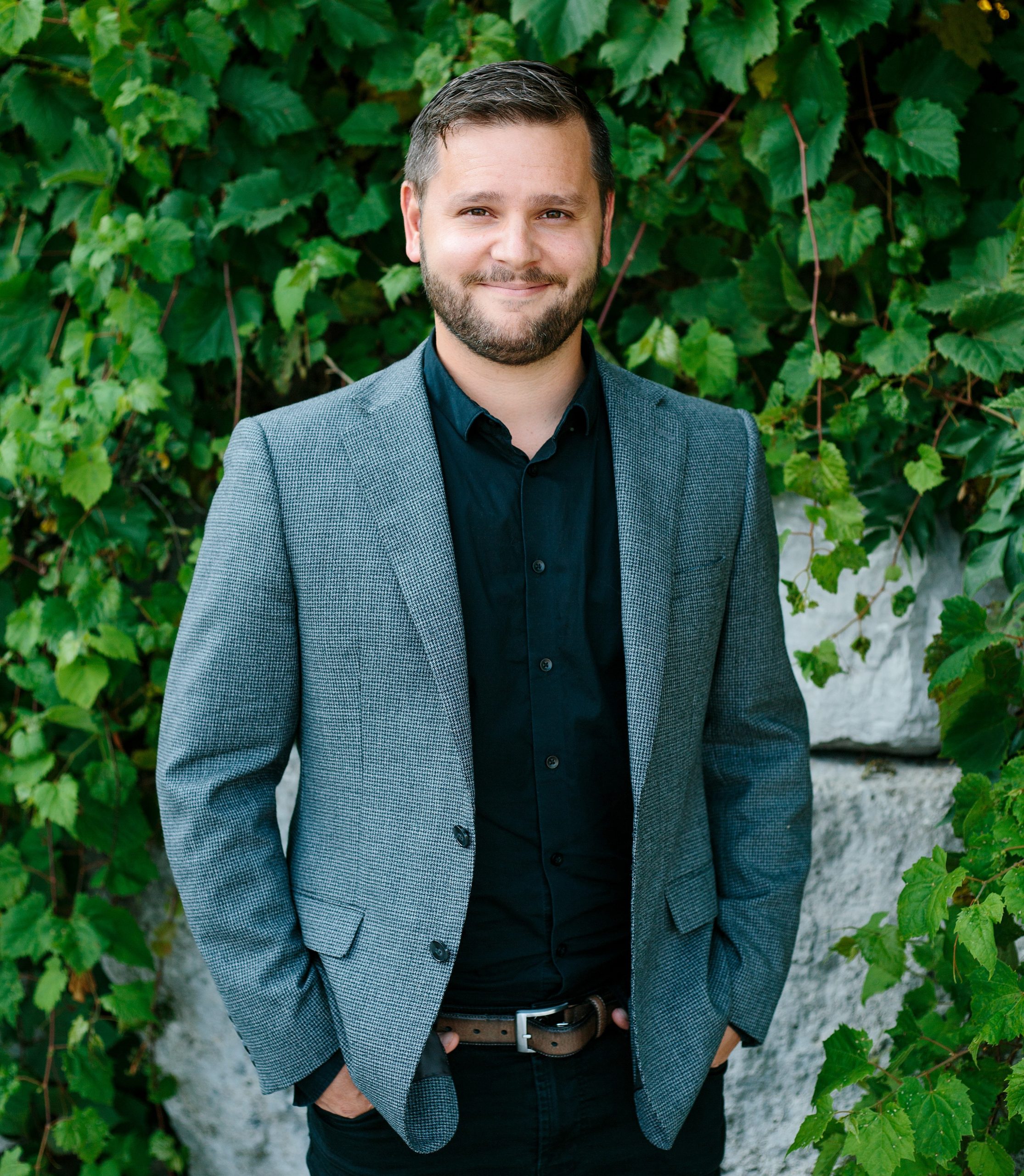
Jonathon Van Maren is a strategic communications consultant with The Acacia Group, where he supports churches, charities, and faith-based organizations in navigating complex cultural and public issues with clarity and conviction. He is an experienced writer, speaker, and author with more than a decade of leadership in national advocacy, and his work has been widely published across leading North American and European outlets. Drawing on deep expertise in media engagement and crisis communications, he helps clients protect their mission, strengthen their public voice, and advance their work with integrity.